
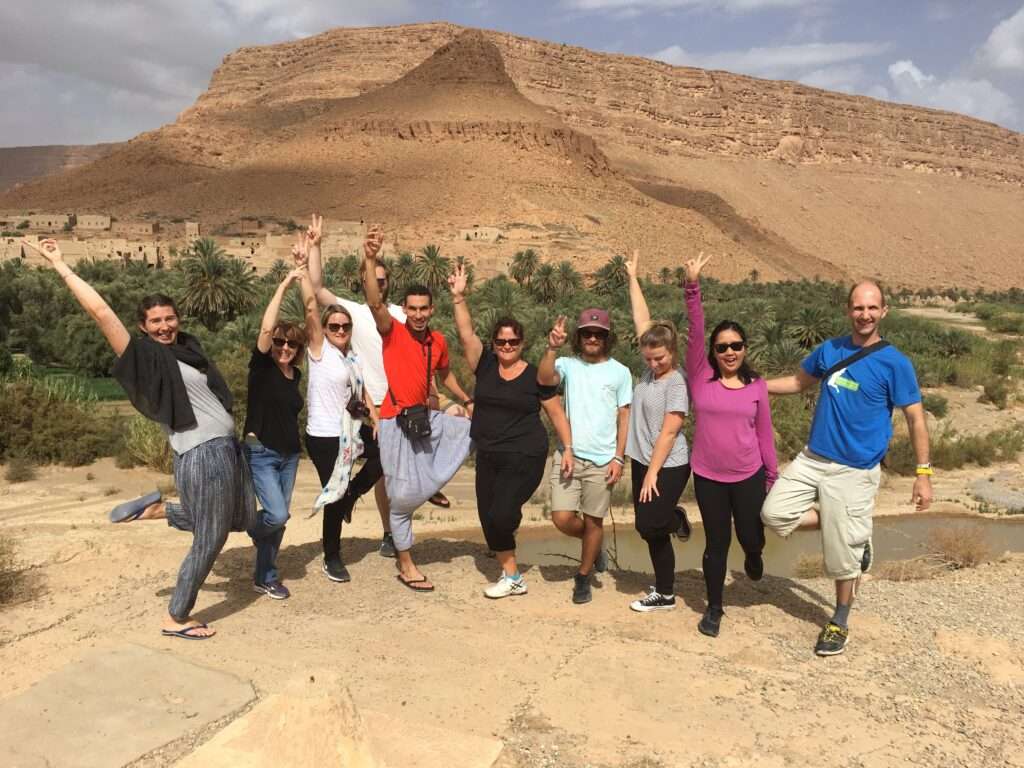
How to plan a perfect multi-day trip to Morocco?
When it comes to traveling to Morocco, the very first thing you should check before looking for an itinerary is the weather.
Weather: Choose the Right Time to Travel
Weather plays a huge role in how much you’ll enjoy your trip. Summers in Morocco are generally best avoided unless you’re comfortable with extreme heat, which can reach up to 48°C (118°F) in some regions, especially inland and in the desert.
Winter, on the other hand, can be surprisingly cold. In the Sahara Desert, it’s not unusual to wake up to frozen water bottles in the morning, and sometimes the dunes are covered in frost, creating a surreal landscape that almost looks like it has snowed in the Sahara.
The ideal periods to travel to Morocco are:
- March to May
- September to November
During these months, the weather is comfortable and well suited for almost any type of activity, whether it’s hiking in the Atlas Mountains, cycling, city tours, family trips, historical explorations, or cultural and foodie experiences.
If you’re traveling as a family with kids, choosing the right season is even more important. Pleasant weather makes it much easier to enjoy each day at a relaxed pace and create lasting memories together without the challenges of extreme heat or cold.
Mobility and Accessibility When Traveling in Morocco
What to Expect in Moroccan Cities
In Morocco, mobility is an important factor to consider when planning your trip. You’ll quickly notice that many beautiful restaurants, hotels, museums, and attractions involve stairs, sometimes narrow, steep, or uneven. This is deeply connected to traditional Moroccan architecture, which values terraces, courtyards, and multi-level living spaces.
In historic cities, people have always sought open spaces where they feel connected to their surroundings, and this architectural style naturally creates changes in elevation. As a result, city tours often include walking uphill and downhill, especially in places like Fes, Tangier, and Chefchaouen.
Traveling in Morocco With Limited Mobility or a Wheelchair
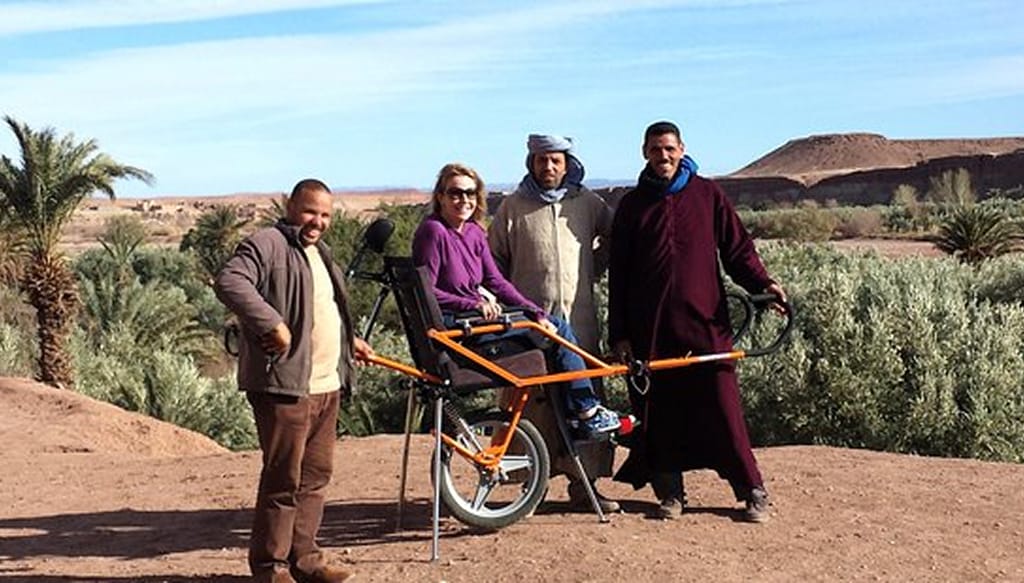
If you’re traveling with limited mobility, it’s important to plan your trip carefully. Choosing accommodations with elevators, step-free access, and accessible amenities can make a significant difference in your overall comfort.
Traveling to Morocco in a wheelchair is absolutely possible. On our tours, we plan custom itineraries for all mobility levels, taking the time to discuss your needs in detail and offering thoughtful suggestions to ensure a smooth and enjoyable experience. Whether it’s adjusting routes, selecting suitable accommodations, or planning accessible activities, we’re here to help you explore Morocco with confidence and peace of mind.
Accommodation in Morocco – Where to Stay and What to Expect
Types of Accommodation in Morocco
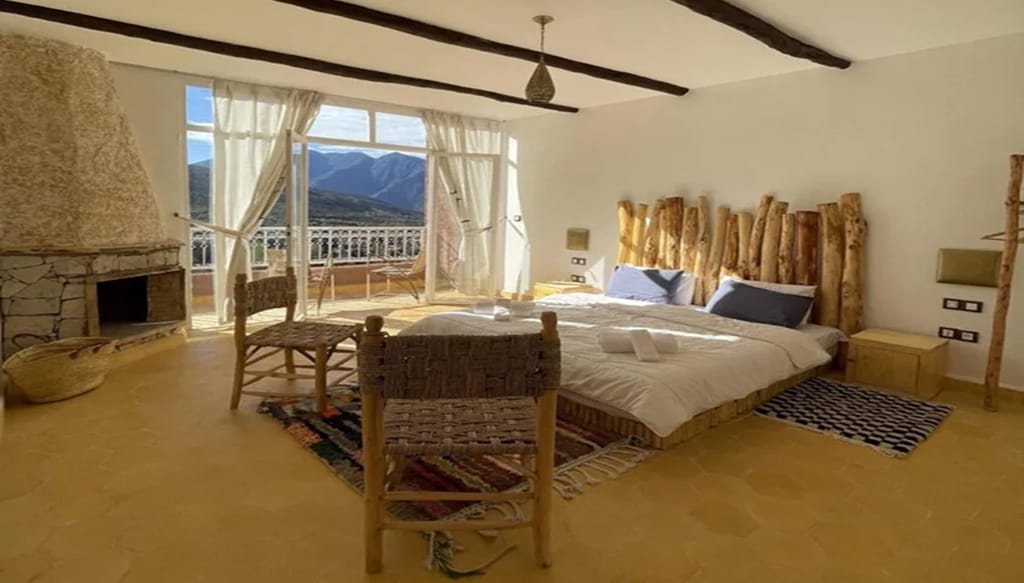
Finding the right place to stay in Morocco can feel overwhelming because there are so many options to choose from. You’ll find luxury resorts, international chain hotels, modern hotels, and boutique-style accommodations known as riads. In more rural or desert regions, you may also stay in a kasbah, a traditional fortified structure.
If you’re looking for an experience that truly reflects Moroccan culture and architecture, I highly recommend staying in a riad or kasbah. These traditional buildings are made from natural materials such as mud and earth, which create a natural form of air conditioning—warm in winter and cool in summer. In fact, many local homes in Morocco are still built this way today.
Riads, Stairs, and Room Layouts
One important thing to know about older riads is that stairs are common, and they can sometimes be steep, especially when accessing upper floors or rooftop terraces. This can be challenging for travelers with mobility concerns.
Another charming—but sometimes surprising—feature of traditional riads is that no two rooms are ever the same size or shape. You might find different layouts, ceiling heights, or room dimensions, which is simply part of staying in a historic and cultural property.
That said, many newer riads are designed with modern layouts, offering wider rooms and spacious bathrooms while still preserving traditional style. This balance of tradition and comfort is personally my preferred choice.
Why Location Matters More Than Luxury
More important than the style of accommodation is its location. You may find a beautiful hotel, but as a local, I always recommend choosing a location with easy access to major attractions, restaurants, and safe walking routes. A well-located stay makes your daily city plans smoother and more enjoyable.
You don’t want to walk alone late at night through unfamiliar areas, especially if you’ve stayed out late in modern neighborhoods or the vibrant parts of the old city. Morocco is generally very safe, but like any popular tourist destination worldwide, pickpocketing can happen. Prevention is always better than cure.
Staying in the Medina – Practical Tips
If you stay inside an old medina, always keep the exact name and address of your accommodation with you. GPS doesn’t always work well in narrow alleyways, and many places have similar names, which can easily cause confusion.
On our tours, a tour leader accompanies group travelers, helping them find great places to eat in the evening and guiding them safely back to their accommodation. It’s a way of traveling with ease, comfort, and peace of mind, allowing you to fully enjoy your Moroccan experience without stress.
Restaurants and Meals in Morocco – What to Expect on a Multi-Day Trip
Included Meals at Hotels and Riads
When booking a multi-day trip in Morocco that includes meals at hotels or riads, it’s always a good idea to check the menu in advance. This helps avoid eating the same dishes repeatedly from one hotel to another.
In about 80% of accommodations, the included meals are traditional Moroccan cuisine. While delicious, the menus are often similar and usually include tagine, couscous, grilled kefta (minced beef), and chicken skewers. For hotel owners, these are standard meals that are easy to prepare and plan, as the ingredients are widely available throughout the country.
Eating the same dishes for both lunch and dinner over several days can become repetitive, so planning a balance between included meals and local restaurants makes a big difference.
Breakfast in Morocco – Plan Ahead
Breakfast in Morocco is typically continental-style. Most hotels and riads serve a selection that includes boiled eggs or omelets, butter, cheese (often Laughing Cow), jam, bread, Moroccan pancakes, coffee, and mint tea.
If you have dietary preferences or restrictions, such as gluten-free or vegan, it’s important to plan this in advance. Breakfast options in Morocco can be limited without prior notice, especially outside major cities. Communicating your dietary needs early helps ensure a more comfortable and enjoyable experience throughout your trip.
Activities and Local Guides in Morocco
Why Planning Activities in Advance Is Important
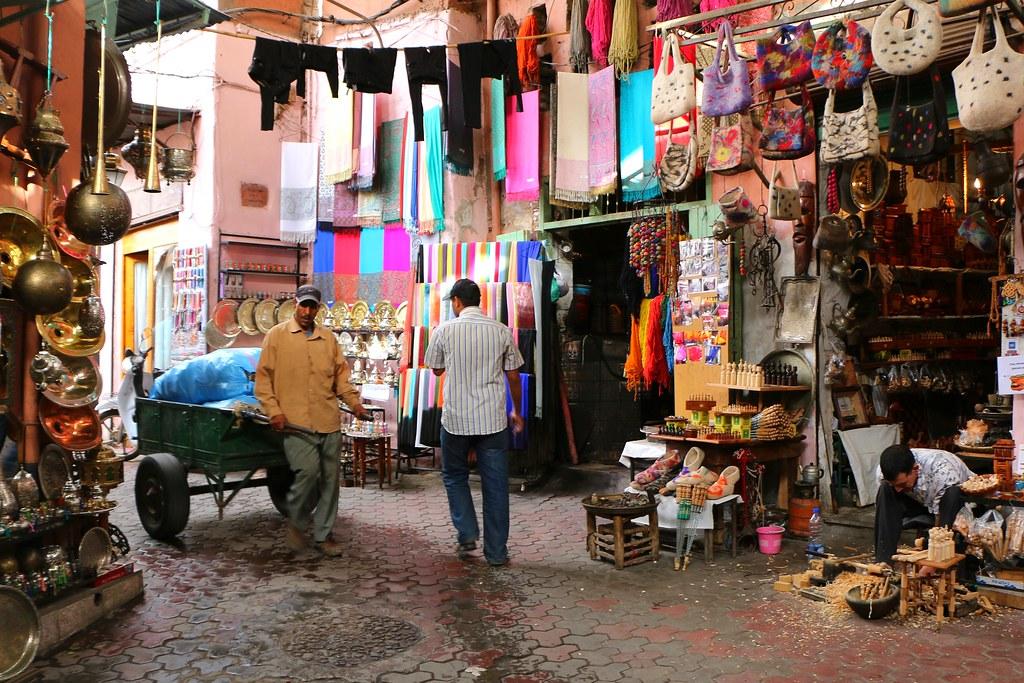
Planning activities in advance is essential when traveling to Morocco. Changing your plans at the last minute often does not work well, especially during the high season. Many popular tours, activities, and monuments experience long queues, and online tickets are still not available for most attractions.
With the exception of the Majorelle Garden in Marrakech, most monuments require you to purchase tickets on site. This can easily disrupt your schedule, particularly if you are visiting Morocco for a short time. Instead of standing in line or trying to organize activities on the spot, your time is better spent relaxing at a cafe, observing daily life, and connecting with local culture.
The Risks of Last Minute Bookings
Booking activities at the last minute can be risky. When suppliers are fully booked, some may keep their best equipment and regular collaborators for pre planned tours, while offering alternative options to last minute guests. This is why it is important to clearly understand what is included in the package you are booking and who will be providing the service.
How We Plan the Perfect Seven Day Trip to Morocco
When planning a perfect seven day trip to Morocco, we take the time to listen to you in advance and understand your needs, expectations, and schedule. We design itineraries that suit your travel style and arrange experienced local guides who act as true tourism ambassadors, providing clear answers and guidance throughout your journey.
We carefully balance scheduled activities with personal leisure time and offer recommendations based on how you travel, whether you are a solo traveler, visiting as a couple for a honeymoon or anniversary, or traveling as a family with children. This approach allows you to enjoy Morocco in a relaxed and well organized way, with comfort and peace of mind.
Location and Distances When Planning a Trip to Morocco
Understanding Distances Between Destinations
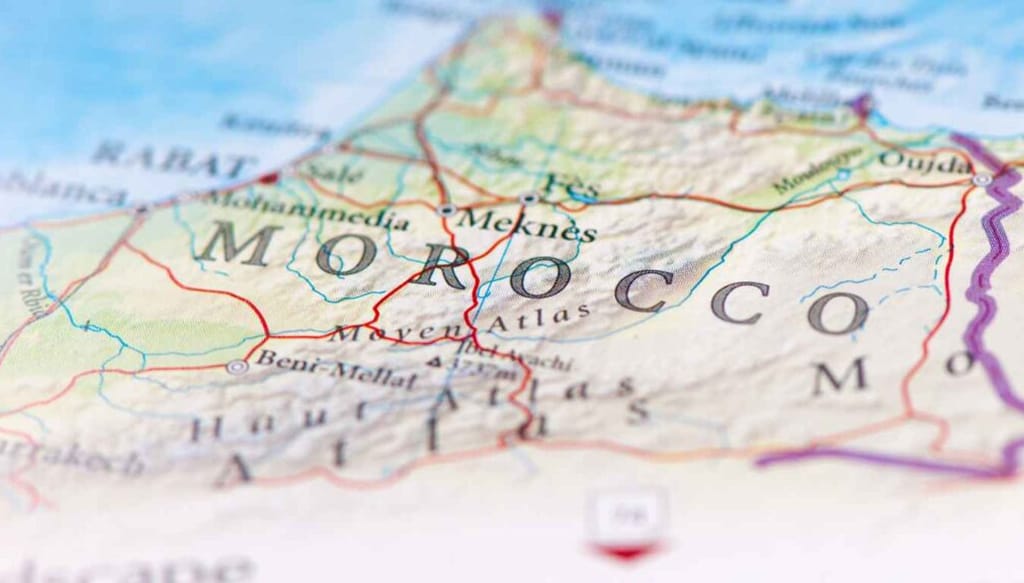
I receive many tour requests for a seven day trip to Morocco that aim to include Chefchaouen the Blue City, Fes, the Sahara Desert, and the coast. While this itinerary sounds exciting, it is important to understand that there can be significant distances between these destinations.
Morocco may look small on a map, but it is a large country, and transportation plays a major role in how enjoyable your trip will be. Proper planning is essential, especially if you want to stop along the way to explore places that public transportation does not easily reach.
Transportation Options in Northern and Southern Morocco
In the northern side of the High Atlas Mountains, transportation options are plentiful and well organized. You will find high speed trains, regular trains, buses, and taxis connecting major cities efficiently.
However, in the southern side of the High Atlas, transportation becomes more challenging. If you travel by taxi, it is important to know that shared taxis usually operate with six passengers. If you want the taxi for yourself, you may need to pay for five seats. Otherwise, the taxi may only depart once all seats are filled or when the driver decides to leave.
When traveling by bus, it is highly recommended to book your tickets in advance. Reliable companies include Supratours, which is part of the national railway office, as well as CTM and Ghazala. For most other local bus companies and public buses, tickets must be purchased directly at the bus station ahead of time.
Why Planning Your Route in Advance Matters
Before traveling, take time to study the map of the regions you plan to visit. Look at distances between cities, research activities available in each destination, and understand how transportation works in those areas.
Planning everything in advance helps ensure that your trip is smooth, well organized, and enjoyable. It allows you to make the most of your time in Morocco without feeling rushed or spending unnecessary hours dealing with transportation challenges.
Conclusion: Designing the Perfect Seven Day Trip to Morocco
Morocco is a beautiful and diverse country, with many regions that can be combined to create a truly memorable seven day trip. Marrakech is often a great starting point, with its vibrant atmosphere and the world heritage site of Jemaa El Fna square. From there, you can easily include trips to surrounding regions such as the Sahara Desert, the Atlas Mountains, or the Atlantic coast.
Fes is another highlight, known for its ancient medina and the famous Chouaara tanneries. Nearby destinations such as the Volubilis archaeological site, the imperial city of Meknes, and the Middle Atlas Mountains with their cedar forests and wild monkeys add depth and variety to your journey. For travelers who enjoy scenic routes, it is also possible to return to Marrakech through the Sahara Desert, creating a rich and well balanced itinerary.
For a seven day trip, I do not recommend spending too much time in Casablanca unless you are traveling for business. With limited time, most travelers prefer to focus on destinations that showcase the most unique and authentic sides of Morocco.
Feel free to browse our website and connect with us to design a personalized journey that reflects your travel style and promises a truly five star experience.